
芈月传
Is the rapid growth of China’s emerging industries driven by industrial subsidies?: People’s Daily_我的网站

一 |
新华社美国尤金7月16日电(记者王子江)中国选手巩立姣16日在俄勒冈世界田径锦标赛上获得女子铅球银牌后说,尽管未能实现世锦赛三连冠,依然对明年的世锦赛和后年的巴黎奥运会充满信心。 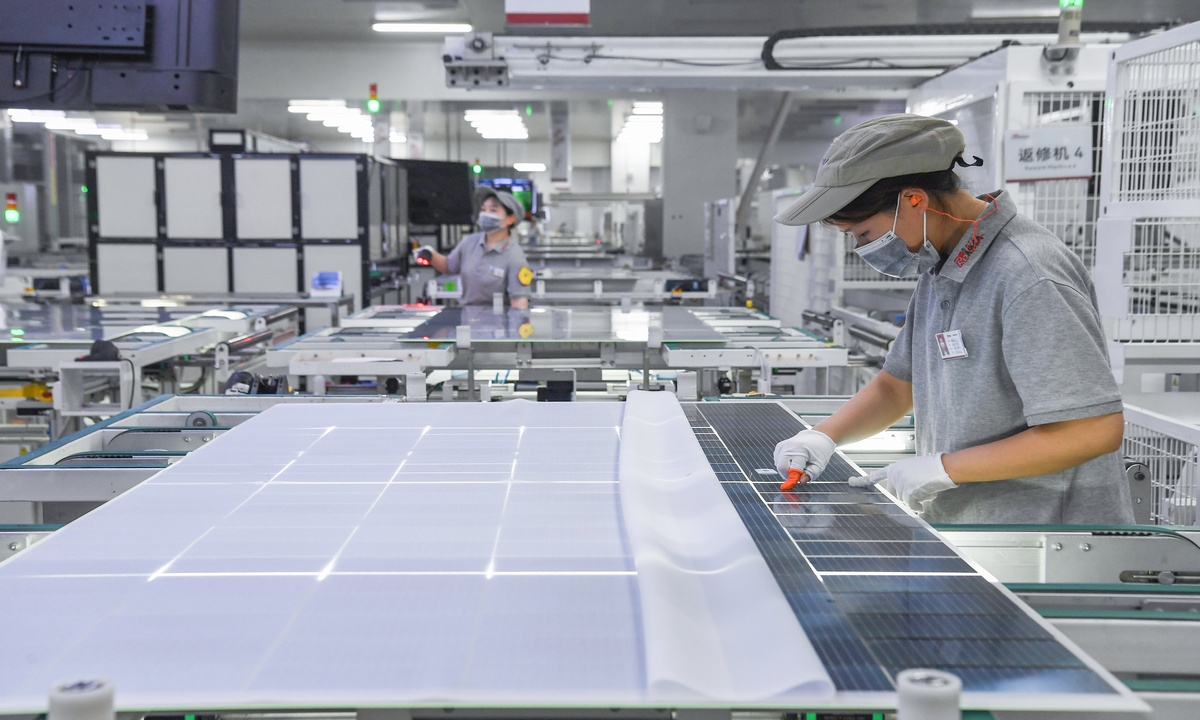
China saw robust exports in electric vehicles (EV), lithium batteries and photovoltaic products, known as the "new three," in the first half of this year. More notably, robotics, artificial intelligence (AI) and innovative drugs, which represent the future direction of industrial development, are also emerging as new calling cards for China's foreign trade.
However, the impressive performance provoked unease among some Western media outlets and politicians. Some have deliberately portrayed China's rapid industrial development and strong competitiveness as a result of government subsidies, pushing the false claim that subsidies have created overcapacity and those low-priced Chinese products are flooding global markets. Such fallacies, which simply equate industrial subsidies with overcapacity, are not only logically flawed but also factually groundless.
In practice, many countries adopt industrial policies tailored to their national conditions and development needs, such as providing research and development (R&D) subsidies for emerging industries and risk related subsidies for agriculture.
Well-designed industrial subsidies can help address market failures, promote technological innovation and environmental protection, reduce poverty and support balanced development, rather than cause so called "overcapacity."
Multiple reports by the United Nations Conference on Trade and Development have noted that the number of industrial policies worldwide has grown rapidly over the past five years, with R&D subsidies, tax incentives and low interest loans for emerging industries becoming common international practices.
Forcibly linking industrial subsidies to "overcapacity" is, in essence, a political manipulation based on double standards. The US, for example, plans to provide $750 billion in various subsidies from 2022 to 2031 under its Inflation Reduction Act. Subsidized EVs are subject to requirements such as production and sales in the US or North America, effectively excluding other WTO members. US industrial subsidies for AI are even greater than those of all other countries combined.
Similarly, according to incomplete statistics, the European Commission is expected to provide more than 1.44 trillion euros ($210 billion) in various subsidies between 2021 and 2030. The EU's Industrial Accelerator Act links local content directly to financial support through "Made in EU" requirements, creating serious investment barriers and institutional discrimination.
Have these massive subsidies been labeled as causing "overcapacity"? The answer is no. While claiming that China's industrial subsidies lead to so-called overcapacity, these countries are themselves providing massive subsidies to their own industries. Such double standards amount to selective accusations targeting China, aimed at politicizing trade and economic issues and weaponizing industrial policy.
At a deeper level, accusations that "China's industrial subsidies cause overcapacity" are merely a pretext, reflecting growing anxiety and fear over the rising competitiveness of Chinese industries.
Looking back at the repeated hype in Western media, the criticism has consistently targeted China's most globally competitive industries, including new-energy vehicles, photovoltaics and power batteries. This exposes the real intention of shifting the blame for their own lagging industrial development onto China while stepping up restrictions against Chinese industries.
China's breakthroughs in these industries have been driven by advances in homegrown technologies, complete industrial and supply chains, and robust market competition, rather than by policy subsidies as some have claimed.
In recent years, China has taken multiple steps to regulate and improve its subsidy policies, from reviewing and correcting inappropriate local subsidies to exploring a unified negative list mechanism for local fiscal subsidies. China applies subsidies equally to all market entities, including foreign invested enterprises, strictly follows WTO rules, and continues to improve the compliance, effectiveness and transparency of its subsidy policies.
Rather than fabricating and hyping baseless claims about subsidies and obsessing over building trade barriers, certain Western media outlets and politicians should focus on addressing their own weaknesses and increasing investment in research and development. They should embrace healthy market competition with an inclusive mindset, promote mutual benefit through greater openness, and win markets and drive progress through genuine innovation.
This was compiled and translated by the Global Times English edition based on an article published in the "Chisu Jinsheng" economic commentary column of the People's Daily on August 10, 2026.
。巩立姣在当天的决赛中,以10厘米的差距不敌美国选手伊利,最终凭借第五轮投出的20米39的个人赛季最好成绩获得银牌。她赛后说:“我战胜了自己,三投在20米以上,对这个成绩很满意。
China saw robust exports in electric vehicles (EV), lithium batteries and photovoltaic products, known as the "new three," in the first half of this year. More notably, robotics, artificial intelligence (AI) and innovative drugs, which represent the future direction of industrial development, are also emerging as new calling cards for China's foreign trade.
However, the impressive performance provoked unease among some Western media outlets and politicians. Some have deliberately portrayed China's rapid industrial development and strong competitiveness as a result of government subsidies, pushing the false claim that subsidies have created overcapacity and those low-priced Chinese products are flooding global markets. Such fallacies, which simply equate industrial subsidies with overcapacity, are not only logically flawed but also factually groundless.
In practice, many countries adopt industrial policies tailored to their national conditions and development needs, such as providing research and development (R&D) subsidies for emerging industries and risk related subsidies for agriculture.
Well-designed industrial subsidies can help address market failures, promote technological innovation and environmental protection, reduce poverty and support balanced development, rather than cause so called "overcapacity."
Multiple reports by the United Nations Conference on Trade and Development have noted that the number of industrial policies worldwide has grown rapidly over the past five years, with R&D subsidies, tax incentives and low interest loans for emerging industries becoming common international practices.
Forcibly linking industrial subsidies to "overcapacity" is, in essence, a political manipulation based on double standards. The US, for example, plans to provide $750 billion in various subsidies from 2022 to 2031 under its Inflation Reduction Act. Subsidized EVs are subject to requirements such as production and sales in the US or North America, effectively excluding other WTO members. US industrial subsidies for AI are even greater than those of all other countries combined.
Similarly, according to incomplete statistics, the European Commission is expected to provide more than 1.44 trillion euros ($210 billion) in various subsidies between 2021 and 2030. The EU's Industrial Accelerator Act links local content directly to financial support through "Made in EU" requirements, creating serious investment barriers and institutional discrimination.
Have these massive subsidies been labeled as causing "overcapacity"? The answer is no. While claiming that China's industrial subsidies lead to so-called overcapacity, these countries are themselves providing massive subsidies to their own industries. Such double standards amount to selective accusations targeting China, aimed at politicizing trade and economic issues and weaponizing industrial policy.
At a deeper level, accusations that "China's industrial subsidies cause overcapacity" are merely a pretext, reflecting growing anxiety and fear over the rising competitiveness of Chinese industries.
Looking back at the repeated hype in Western media, the criticism has consistently targeted China's most globally competitive industries, including new-energy vehicles, photovoltaics and power batteries. This exposes the real intention of shifting the blame for their own lagging industrial development onto China while stepping up restrictions against Chinese industries.
China's breakthroughs in these industries have been driven by advances in homegrown technologies, complete industrial and supply chains, and robust market competition, rather than by policy subsidies as some have claimed.
In recent years, China has taken multiple steps to regulate and improve its subsidy policies, from reviewing and correcting inappropriate local subsidies to exploring a unified negative list mechanism for local fiscal subsidies. China applies subsidies equally to all market entities, including foreign invested enterprises, strictly follows WTO rules, and continues to improve the compliance, effectiveness and transparency of its subsidy policies.
Rather than fabricating and hyping baseless claims about subsidies and obsessing over building trade barriers, certain Western media outlets and politicians should focus on addressing their own weaknesses and increasing investment in research and development. They should embrace healthy market competition with an inclusive mindset, promote mutual benefit through greater openness, and win markets and drive progress through genuine innovation.
This was compiled and translated by the Global Times English edition based on an article published in the "Chisu Jinsheng" economic commentary column of the People's Daily on August 10, 2026.
。巩立姣在当天的决赛中,以10厘米的差距不敌美国选手伊利,最终凭借第五轮投出的20米39的个人赛季最好成绩获得银牌。她赛后说:“我战胜了自己,三投在20米以上,对这个成绩很满意。

二 | ”第八次参加世锦赛的巩立姣说,东京奥运会夺冠后休息了半年,今年3月才恢复训练,今年第一次参加大赛非常兴奋,但关键时刻少了“一点狠劲”。“还是训练能力有点差,没有恢复到最佳。我也期待自己拿金牌,但因为没有系统训练,感觉特别累。”巩立姣说,这次比赛后还将休息几个月,争取10月底恢复训练,备战明年的世界室内锦标赛和世界锦标赛。“只要系统练了,肯定有信心。
Current article:http://px0jlc.senchuoshaozaodidia.shop/s8esr/20260826/103826.html
Published on:12:13:51
等着我_Random reading
- 08-22利民推出 TR-TG1200 MAX 系列电源:80 PLUS 金牌认证,499 元起
- 08-22行进中国丨德胜,何以“得胜”?
- 08-26苹果最强Mac杀到!全新Mac Studio发布:19999元起
- 08-22美国意图一局定胜负?特朗普这回会输得更彻底!巴沙土为伊朗留位置,香邀爱动漫,原创 美国意图一局定胜负?特朗普这回会输得更彻底!巴沙土为伊朗留位置
- 08-22Filming Starts For Gautham Karthik’s New Project
- 08-24林依轮儿子林子濠晒照公开恋情,“随手一拍,刚好是你”,女方是模特陈瑜
- 08-26社区Mod转正:CHERRY MX推出官方版Ergo Clear键轴
- 08-20更好服务长三角与新疆地区经贸往来 “上海—乌鲁木齐”快线正式发布,更好服务长三角与新疆地区经贸往来 “上海—乌鲁木齐”快线正式发布
- 08-21国家教育学院 2025战略愿景,致力于卓越与持续发展
- 08-21高票通过 东方证券合并重组迈出关键性一步

年代秀_Active users
- 日喀则市启动自然灾害救助一级应急响应
- 香港房屋署特快公屋编配计划今起拣楼 提供1135个单位_所属地区_市民
- 北京科技大学、北京林业大学、中国地质大学(北京)、北京交通大学四所高校的雄安校区,明年9月正式开门办学
- 深扒了3位新加坡总统奖学金得主的简历,我发现了学霸们优秀的秘密
- 重庆唯一具备周调节能力的抽水蓄能电站项目取得关键节点突破,重庆唯一具备周调节能力的抽水蓄能电站项目取得关键节点突破
- Former Formula One boss Bernie Ecclestone pleads guilty to fraud
- 特斯拉:又到为信仰买单时刻
- 【期股联动】燃油主力暴跌超7%!美伊停火曙光重挫油市,化工板块集体崩塌
- 乐高 超级马里奥派对 空前盛会 人仔套装正式亮相,包含库巴城堡与 马里奥赛车7
- Ranveer Singh Issues Apology After Kantara Controversy
- 文胖:克莱成热火最佳引援 新阵容投射能力极强
- 33岁女子涉在兀兰关卡试夺女警配枪 被控后还押心理卫生学院
- 国家卫健委:9月13日新增新冠肺炎本土“196+762”
- 8月26日港股收盘:恒指涨0.56% 恒生科技指数涨0.82%
- むっちりの破壊力!初ソロなのにもうギリギリ「大人にしか見えない妖精」同人の女王いくみ「ヤンジャン」登場
- 中国短跑女将如何看待与世界最高水平的差距?
- China embraces summer inbound travel craze with niche draws, fresh moves
- 时政微周刊丨总书记的一周(8月17日—8月23日)
刀马旦_Hottest this week
- 08-26中超主场申报宽限两天 7家俱乐部场地已过关
- 08-20微信“上岛”终于有望 开发者现可提交支持灵动岛的应用版本
- 08-25同比增长11.78% 长城汽车5月销量10.22万辆 欧拉推出6月限时权益
- 08-24奇瑞风云T7销售反馈曝光:门店客流量远不如风云A9
- 08-20藏在华强北深处的“奢侈品帝国”
- 08-24贝索斯离婚的处理速度可以和亚马逊送货一样快。
- 08-26An Attack on Democracy, From Racial Voter Suppression to Invalidating Elections Altogether
- 08-26一加11工程机参数被披露 旗舰配置依然拉满
- 芈月传 copyright
- Some of the content comes from the Internet. If you have any offence, please raise it.